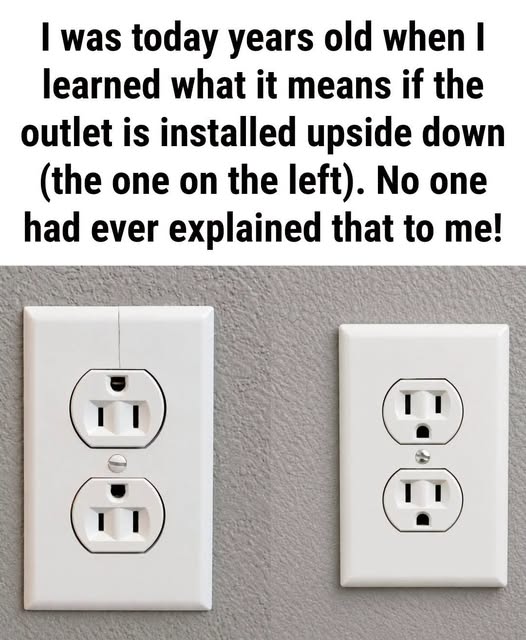
visual indicator for homeowners and residents. In many residential electrical setups, this specific orientation is used to signal that the outlet is controlled by a wall switch rather than being constantly energized. By flipping the receptacle, electricians provide an immediate, intuitive cue that helps you identify which outlets are connected to switches for lamps or other appliances. This simple design choice eliminates the guesswork that often occurs when you plug a device into a wall, only to wonder why it fails to receive power.
Instead of testing every outlet in the room to see which one responds to the light switch, you can simply look for the upside-down configuration. This is a common practice in residential electrical work, and it serves as a highly effective, low-tech way to manage the power distribution in your living space. Beyond mere convenience, this configuration is a helpful indicator that can save you significant time and frustration when you are setting up your lighting or trying to troubleshoot why a particular appliance is not turning on.
In many cases, building codes may even influence or require specific outlet orientations in certain contexts to ensure that the electrical system remains predictable and safe for all occupants. The logic behind this practice is rooted in the desire for clarity and ease of use in daily life. When you understand that the orientation of the outlet is a functional choice, you can better appreciate how small decisions in home construction contribute to the overall usability of your environment.
It is important to note that this practice is not universal, but it is a widely recognized convention among professionals who aim to make electrical systems more user-friendly. By standardizing this visual cue, builders and electricians ensure that you do not have to memorize which outlet is linked to which switch. This is particularly useful in bedrooms or living rooms where multiple lamps might be plugged into different outlets, some of which are controlled by switches while others remain powered at all times.
The upside-down orientation prevents the common annoyance of plugging a clock or a necessary device into a switched outlet, only to have it lose power when you flip the light switch to leave the room. Furthermore, this method of identification is entirely passive, meaning it requires no additional hardware, labels, or maintenance to function. It is a permanent, visual language that communicates the status of the electrical circuit without the need for complex instructions or confusing tags.
As you become more aware of this convention, you will likely start noticing these orientation differences in various homes, offices, and public buildings. It is a subtle but clever application of design principles to electrical infrastructure. Understanding these nuances can also help you when you are planning your own home improvements or furniture layouts. If you find yourself frequently wishing that a certain lamp could be controlled by a wall switch, you might consult with a qualified electrician to see if a similar modification is possible.
They can assess your current electrical load and determine if the circuit is suitable for such a change. Always prioritize safety when dealing with electrical components, as the internal wiring must be handled correctly to prevent hazards like short circuits or improper grounding. While the upside-down outlet is a helpful feature, the underlying electrical connections are what truly matter for the safety and functionality of your home. If you ever feel uncertain about the wiring, consult a professional electrician for assistance.
Beyond the immediate benefit of identifying switched power, this practice also reflects a broader commitment to residential safety and organization. When electrical components are installed with clear, consistent logic, it reduces the likelihood of accidental disconnections and helps maintain a tidy, manageable home environment. By paying attention to these small details, you can better understand your home’s infrastructure and make informed decisions about your daily routines. In conclusion, the practice of installing outlets with the grounding hole facing upward is a thoughtful, practical, and widely accepted method for identifying switched receptacles. It provides a clear visual distinction that enhances the convenience of your home’s electrical system, allowing you to easily manage your lighting and appliances. By recognizing this simple cue, you can navigate your home’s power setup with greater confidence and efficiency, ensuring that your living space remains both functional and well-organized for your daily needs.