the future of global entertainment. This transition was palpable in every aspect of the evening, from the sartorial choices of the attendees to the specific films that the Academy chose to honor. The shift was perhaps most visible in the presence of Jane Fonda, whose decision to wear pantsuits challenged the long-standing sartorial expectations of the red carpet, signaling a departure from the rigid formality that had defined the industry’s public image for decades. This subtle rebellion reflected a broader societal shift occurring outside the venue, where demonstrators gathered to voice their concerns regarding the perceived glorification of police brutality in the film Dirty Harry. The presence of these protests outside the Music Center served as a stark reminder that the medium of film was no longer just a source of escapism, but a powerful, often controversial, participant in the national discourse.
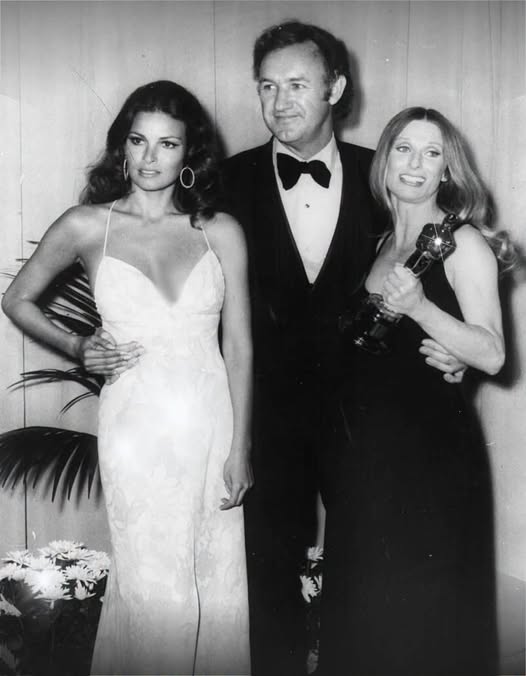
Inside the auditorium, the evening was dominated by a fascinating blend of established legends and rising stars. Gene Hackman’s victory for Best Actor for his role in The French Connection stood as a testament to the gritty, realistic style of filmmaking that was beginning to define the era. Hackman, who later admitted to being so overwhelmed by the win that he could hardly remember his walk to the stage, reflected on the intense, outdoor, and often grueling production conditions that had pushed him to deliver such a raw performance. His win highlighted a move away from the polished studio system toward a more visceral, director-driven approach that prioritized authenticity over artifice.
The ceremony also marked a historic milestone for diversity within the Academy. Isaac Hayes made history as the first African-American to win an Oscar for Best Original Song for his iconic ‘Theme from Shaft.’ His performance was a defining moment of the night, characterized by a bold, uninhibited stage presence that contrasted sharply with the more traditional musical numbers of the past. By appearing shirtless and adorned in chains, Hayes brought a level of cultural confidence and artistic audacity that resonated deeply with the changing demographics of the audience, proving that the Academy was slowly beginning to recognize a wider spectrum of talent.
The night was also defined by a profound sense of nostalgia, most notably during the appearance of Charlie Chaplin. At 82 years old, the legendary filmmaker returned to the spotlight, clutching his signature cane and derby hat. The sight of the silent film icon triggered a 12-minute standing ovation, the longest in the history of the Academy Awards. This emotional tribute served as a bridge between the early days of cinema and the modern age, grounding the evening in a deep respect for the pioneers who had built the industry from the ground up. It was a moment of collective memory that reminded everyone in attendance of the enduring power of the moving image.
Further underscoring this transition was the final public appearance of Betty Grable, the legendary pinup girl of the 1940s. Her presence provided a poignant bookend to the Golden Age, allowing the audience to acknowledge the star power of a bygone era while simultaneously witnessing the emergence of a new generation of performers. The mix of attendees—ranging from Jane Russell and Jane Powell to Jack Nicholson and Raquel Welch—created a unique social fabric where the old guard and the new wave mingled in a rare display of continuity. The ceremony honored a diverse slate of films, including A Clockwork Orange, Fiddler on the Roof, and The Last Picture Show, each representing a different facet of the evolving cinematic landscape.
Reflecting on the 1972 Oscars offers more than just a trip down memory lane; it provides a valuable lesson in how institutions adapt to cultural shifts. The event illustrates that the tension between tradition and progress is not a modern phenomenon but a constant, driving force in the arts. For those interested in film history, the 44th Academy Awards serve as a practical case study in how an industry can honor its roots while simultaneously embracing the necessity of change. To appreciate the evolution of cinema, one must look back at these moments of friction and celebration, recognizing that the standards of today are built upon the bold, sometimes uncomfortable, choices made by the artists of yesterday. Understanding this history allows for a more nuanced perspective on current award shows, reminding us that every ceremony is a snapshot of its time, capturing the delicate balance between where we have been and where we are heading as a culture.