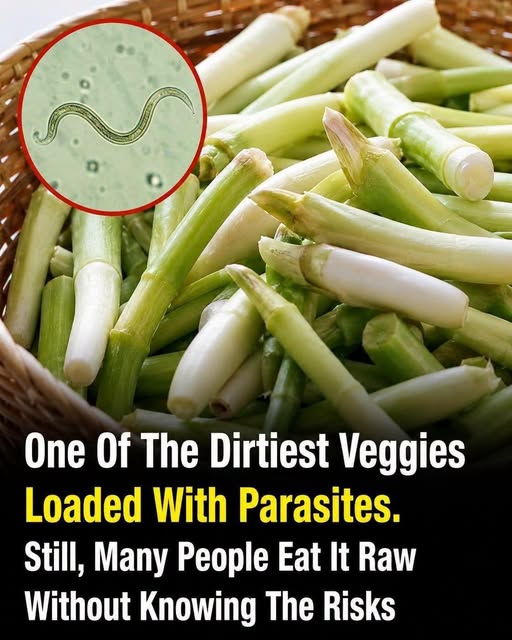
Salmonella and E. coli, which can persist on the surface or become trapped within the plant’s unique, layered structure. Unlike many other vegetables that are routinely cooked at high temperatures, green onions are frequently consumed in their raw state. This lack of a heat-based kill step means that any bacteria present on the stalks at the time of purchase can be transferred directly to your plate, potentially leading to foodborne illness for you or your family members.
The risk is not uniform for every individual, as certain populations are significantly more vulnerable to the effects of foodborne pathogens. Children, older adults, pregnant women, and individuals with compromised immune systems are at a heightened risk of developing severe complications from exposure to contaminated produce. While this reality might sound alarming, it does not mean that you must remove green onions from your diet entirely. Instead, it highlights the necessity of adopting rigorous hygiene and preparation standards.
The primary challenge in cleaning green onions stems from their physical anatomy. The tightly packed layers of the stalks can act as a reservoir for dirt, debris, and microorganisms that are not easily removed by a quick rinse under the tap. To mitigate this risk, start by thoroughly inspecting the bunch. Remove and discard any damaged, wilted, or discolored outer layers, as these are the most likely areas to harbor contaminants. Once the outer layers are removed, trim off the root ends completely, as this is where the highest concentration of soil and bacteria typically accumulates.
After trimming, place the onions in a clean bowl filled with cold, running water. Rather than just letting them soak, you should gently rub each stalk with your fingers to physically dislodge any lingering particles or soil. This mechanical action is crucial for cleaning the crevices between the layers. Once washed, pat the onions dry with a clean paper towel or a clean kitchen cloth. If you use a cloth, ensure it is freshly laundered to avoid introducing new bacteria to the cleaned produce.
Cross-contamination is another significant factor in food safety that often occurs during the preparation process. Many people inadvertently spread bacteria by using the same cutting board or knife for raw meats and fresh vegetables. To prevent this, always utilize a dedicated cutting board for produce, or ensure that your equipment is thoroughly sanitized with hot, soapy water after being used for meat, poultry, or seafood. Furthermore, always wash your hands with soap and warm water for at least twenty seconds before and after handling any raw produce to prevent the transfer of pathogens from your skin to the food.
Storage practices also play a vital role in maintaining the safety of your green onions. Proper refrigeration is essential to slow the growth of any bacteria that might be present. Keep your onions in the crisper drawer of your refrigerator, ideally wrapped in a way that allows for slight airflow while preventing them from drying out. Regularly check your supply for signs of spoilage. If you notice that the onions have become slimy, have developed a mushy texture, show signs of discoloration, or emit an unusual or pungent odor, they should be discarded immediately. Never attempt to salvage produce that shows these signs of decay, as they indicate that the integrity of the vegetable has been compromised.
By integrating these simple yet effective habits into your kitchen routine, you can significantly reduce the likelihood of foodborne illness while still enjoying the nutritional benefits that green onions provide. These vegetables are a healthy source of fiber, vitamins C and K, and folate, making them a valuable addition to a balanced diet. The goal is not to live in fear of your ingredients, but to approach food preparation with an informed and cautious mindset that prioritizes safety at every stage of the process.
In conclusion, the evidence supports a balanced approach: while green onions do carry inherent risks due to their growth environment and raw consumption, these risks are manageable through consistent hygiene. By focusing on thorough cleaning, preventing cross-contamination, and monitoring for spoilage, you can confidently include them in your meals. Maintaining these standards is the most effective way to protect your health and ensure that your kitchen remains a safe environment for everyone in your household.