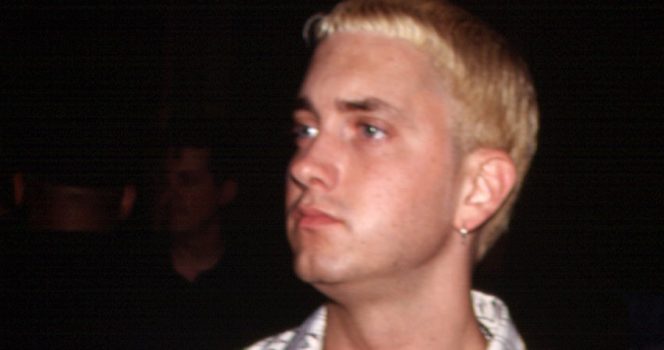
Today, Eminem—born Marshall Bruce Mathers III—is widely regarded as one of the greatest rappers of all time. His story is one of extraordinary success built on resilience, talent, and a willingness to transform painful experiences into powerful music.
Born on October 17, 1972, in St. Joseph, Missouri, Marshall’s childhood was marked by instability from the very beginning. His father left the family when he was still an infant, and despite writing occasional letters over the years, the two never developed a meaningful relationship.
Speaking to Rolling Stone, Eminem reflected on the absence of his father.
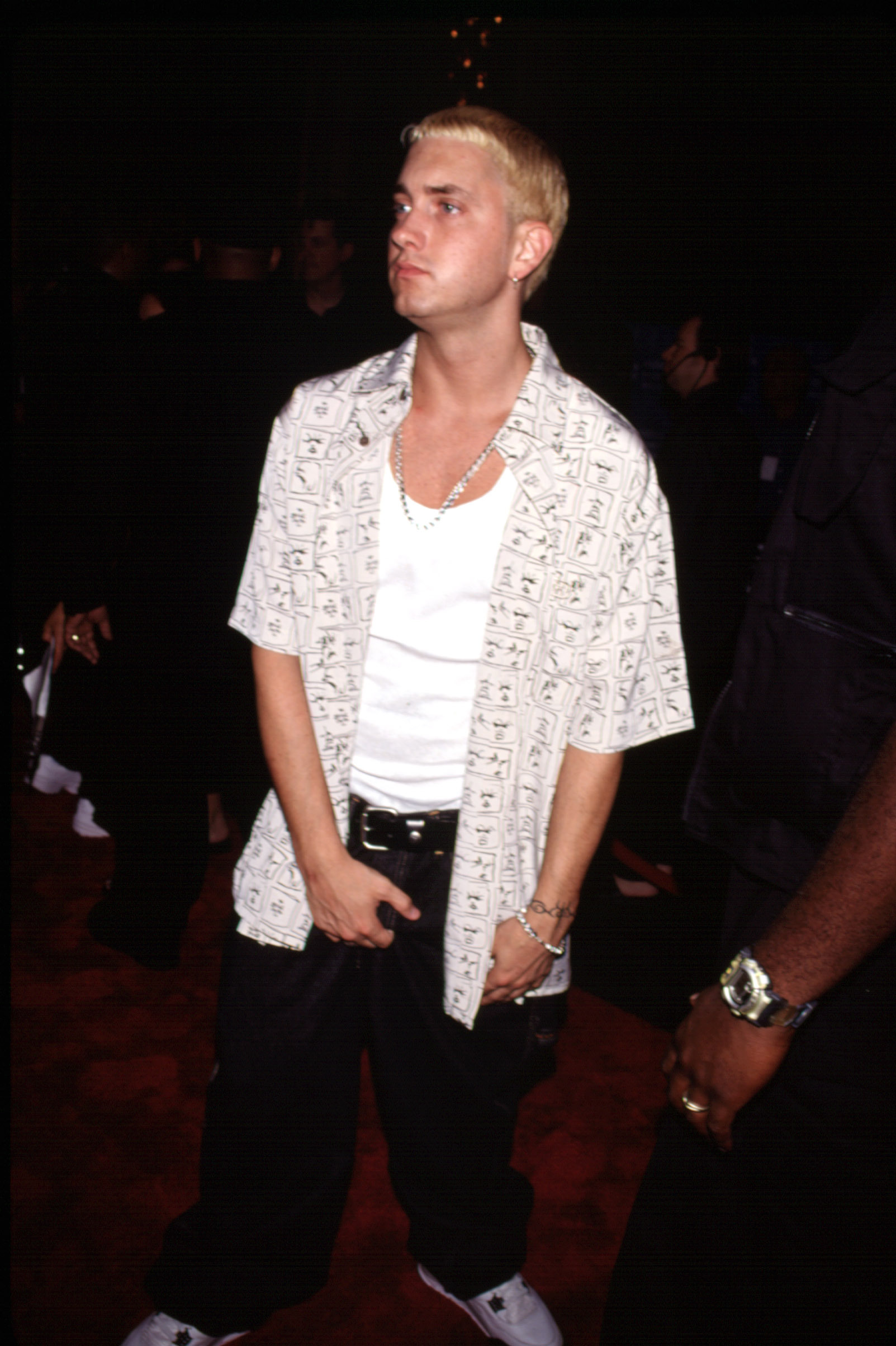
Without a father figure, Marshall was raised primarily by his mother, Debbie Mathers. The family frequently moved between Missouri and Detroit as they struggled financially, often living in public housing. Constantly changing schools made it nearly impossible for him to form lasting friendships.
He later recalled that being the “new kid” often made him a target.
One of the most serious incidents occurred when he was nine years old. According to court records, he suffered a severe beating at school after being struck in the head with a snowball containing a hard object before being assaulted by another student. The attack reportedly left him with a concussion and temporary vision loss in one eye. His mother sued the Detroit school system, claiming it had failed to protect him, but the lawsuit was ultimately dismissed.
Life at home was also deeply troubled. Eminem has long alleged that his childhood involved emotional neglect and abuse. Over the years, he accused his mother of alcoholism, prescription drug abuse, and taking money he earned as his career began to grow. Debbie Mathers strongly denied those accusations and later filed a defamation lawsuit against her son over statements made in his music and interviews. Although the case resulted in a legal judgment in her favor, reports indicated she received only a small portion of the original award after legal expenses.
In interviews, Debbie insisted she had never abused her son.
Growing up as one of the few white children in a predominantly Black neighborhood also exposed Marshall to additional bullying and isolation. Although he struggled academically and eventually dropped out of high school, he had already discovered the passion that would define his future—rap music.
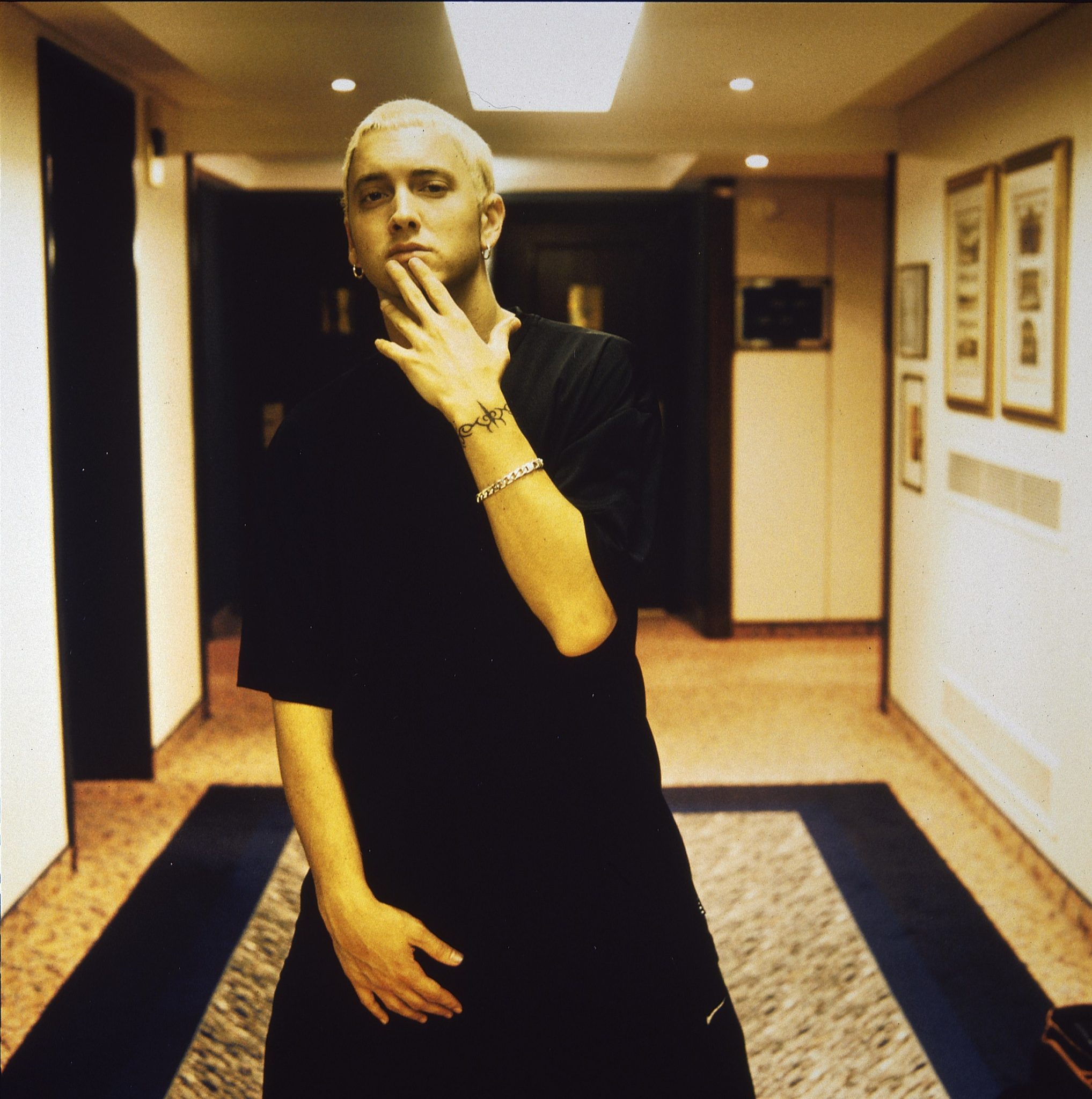
By the age of 14, Marshall had dedicated himself to writing lyrics and competing in local rap battles around Detroit. His determination eventually earned him respect within the underground hip-hop scene despite facing skepticism because of his race.
As his career developed, Eminem openly used his music to explore the trauma of his childhood. Songs such as Cleanin’ Out My Closet, The Way I Am, Mockingbird, and Stan revealed deeply personal experiences that resonated with millions of listeners around the world.
His honesty became one of his greatest strengths. Rather than hiding painful memories, he transformed them into lyrics that many fans found relatable and emotionally powerful.
Marshall’s personal life also changed dramatically in 1995 when he and longtime partner Kim Scott welcomed their daughter, Hailie Jade. Having experienced an unstable childhood himself, he became determined to provide a different life for his own children.
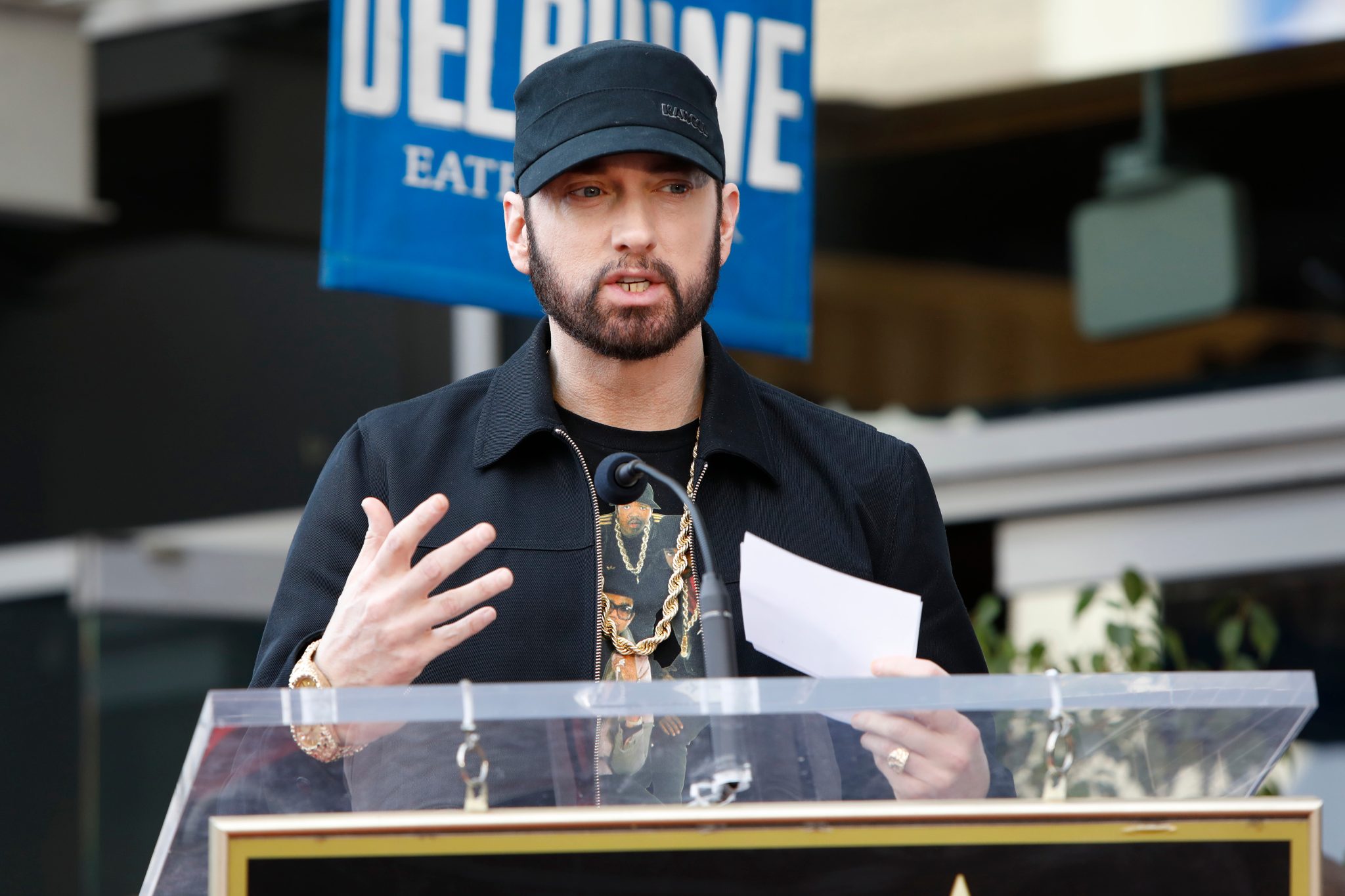
In an interview with Rolling Stone, Eminem explained what mattered most to him as a father.
His career reached new heights after meeting legendary producer Dr. Dre. Their collaboration resulted in The Slim Shady LP, released in 1999, which launched Eminem into international stardom. The album’s breakout single, My Name Is, introduced his unique style to audiences worldwide and established him as one of hip-hop’s brightest new stars.
In 2002, Eminem starred in the semi-autobiographical film 8 Mile. The movie became both a commercial and critical success, while its theme song, Lose Yourself, earned him the Academy Award for Best Original Song—making history as one of the most celebrated achievements in hip-hop.
Despite his professional success, Eminem also battled addiction during the height of his fame. Following the breakdown of his relationship with Kim Scott and other personal struggles, he developed a dependence on prescription medications and other substances. After nearly dying from an overdose in 2007, he entered recovery and later spoke openly about rebuilding his life through sobriety.
Today, Eminem is the father of three daughters. Alongside his biological daughter, Hailie Jade, he adopted Alaina Marie Scott and Stevie Laine Scott, providing them with a stable family life that reflected the kind of childhood he wished he had experienced.
Although he maintains a much lower public profile than during the peak of his career, Eminem continues to release music and collaborate with other artists. His influence on hip-hop remains enormous, with albums and songs that have inspired generations of performers.
His mother, Debbie Mathers, died in 2024, five years after the death of his father. Despite the complicated relationships that shaped much of his life, Eminem’s legacy extends far beyond personal hardship.
With classic songs including Lose Yourself, Stan, Mockingbird, Without Me, Not Afraid, The Way I Am, Rap God, and ‘Till I Collapse, he has earned recognition as one of the greatest rappers in music history.
Perhaps the most inspiring part of his story is not simply his success, but the way he transformed an extraordinarily difficult childhood into creative expression that connected with millions of people around the world. His journey serves as a reminder that while trauma can leave lasting scars, it does not have to define a person’s future.