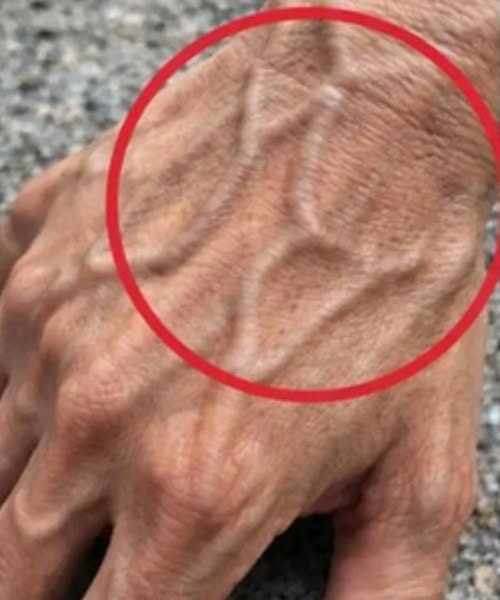
For many people, prominent veins are simply a reflection of normal anatomy. Genetics also plays a significant role, meaning some individuals naturally have veins that are more visible than others. These changes are often related to skin thickness, circulation, and body composition rather than disease.
However, it’s understandable to feel concerned if the appearance of your veins changes suddenly or is accompanied by other symptoms. While visible veins alone are usually harmless, certain warning signs deserve medical attention.
Pain, swelling, tenderness, or redness around a vein may indicate an underlying problem that should be evaluated by a healthcare professional. Changes in skin color, persistent warmth, or veins that become hard or painful should also not be ignored.
In addition, symptoms such as cold fingers or toes, slow-healing sores or wounds, numbness, or ongoing discomfort may point to circulation problems or another medical condition that requires assessment.
If your veins have become more noticeable without any other symptoms, there is usually no reason to worry. However, if the change is sudden, persistent, or accompanied by pain or other unusual symptoms, it’s a good idea to speak with your healthcare provider. A medical evaluation can help determine whether the changes are part of normal aging or whether further investigation is needed.
Understanding what’s normal for your body and paying attention to new or persistent symptoms can help you make informed decisions about your health while providing peace of mind when visible veins are simply a natural part of aging and circulation.