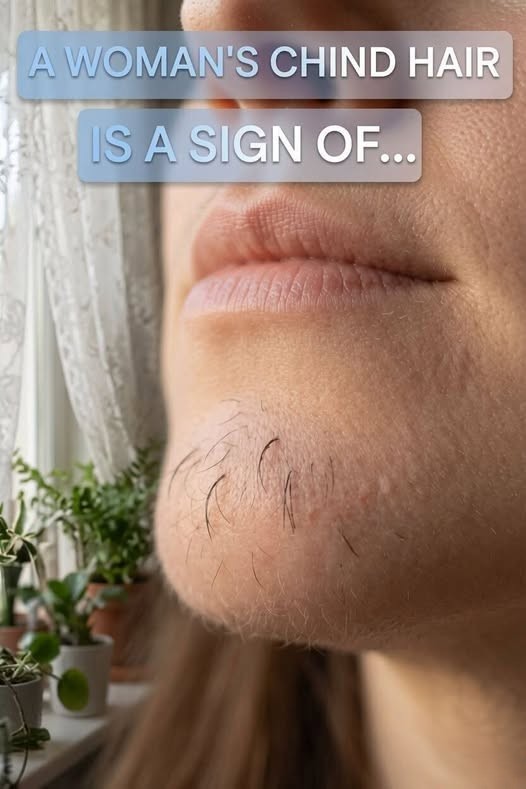
The hormones most often linked to this type of hair growth are called androgens, including testosterone. Although commonly thought of as male hormones, women naturally produce small amounts of them as well. They play important roles in maintaining muscle mass, bone health, and libido. When androgen levels increase—or when hair follicles become more sensitive to these hormones—they can stimulate the growth of coarse, dark hair on areas such as the chin, upper lip, jawline, or chest. This condition is known as hirsutism.
One of the leading causes of hirsutism is Polycystic Ovary Syndrome (PCOS). PCOS is a hormonal disorder that often results in elevated androgen levels and insulin resistance. In addition to unwanted facial hair, women with PCOS may experience irregular menstrual cycles, acne, weight gain, difficulty losing weight, or thinning hair on the scalp.
Natural hormonal changes during menopause can also contribute to facial hair growth. As estrogen levels decline, the effects of androgens may become more noticeable, even if their levels remain relatively unchanged. As a result, many women begin noticing a few coarse chin hairs during midlife.
Sometimes there is no identifiable medical condition behind the extra hair growth. This is known as idiopathic hirsutism, where normal hormone levels are present, but the hair follicles are simply more sensitive to androgens. Family history and genetics often influence whether someone develops this type of facial hair.
Certain medications may also trigger increased hair growth as a side effect. Drugs such as anabolic steroids, testosterone-based therapies, and even treatments like minoxidil, commonly used for hair loss, can stimulate hair growth in unintended areas.
In rare cases, excessive facial hair may be linked to more serious health conditions, including Cushing’s syndrome, adrenal gland disorders, or hormone-producing tumors. These conditions are uncommon and are typically accompanied by additional symptoms beyond unwanted hair growth.
If you notice sudden or rapidly increasing facial hair, especially when it’s accompanied by irregular periods, persistent acne, deepening of the voice, or other hormonal changes, it’s a good idea to consult a healthcare professional. While chin hair is often a normal part of aging or genetics, a medical evaluation can help determine whether an underlying condition is contributing and what treatment options may be appropriate.