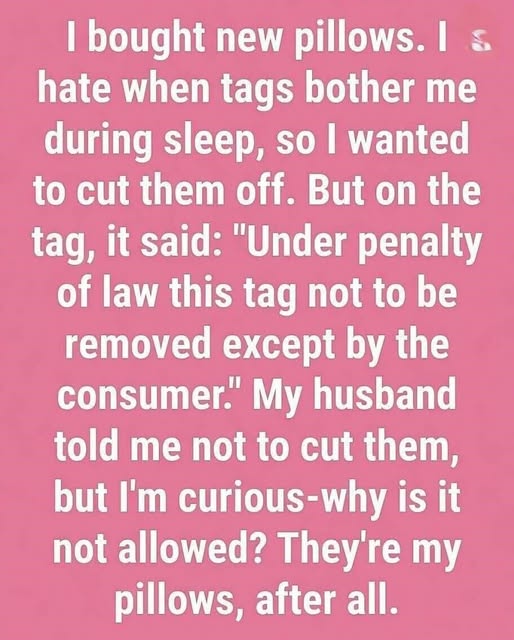
The reality is that these labels were designed exclusively for the commercial sphere, serving as a vital mechanism for consumer protection during the retail process. Manufacturers and retailers are legally mandated to keep these tags attached until the point of sale. This requirement ensures that shoppers have full transparency regarding the materials, chemical compositions, and specific fillings contained within the product. By providing this information, the law empowers buyers to make informed decisions about the items they bring into their living spaces, protecting them from potentially misleading or hazardous goods. Once you have completed your purchase and taken the item home, the legal obligation regarding the tag effectively vanishes. You are the rightful owner of the product, and you are entirely free to remove the label if it causes you discomfort, creates noise, or simply proves to be an aesthetic nuisance. The warning is a tool for the marketplace, not a restriction on your personal property rights.
The Practical Value of Retaining Documentation
While you are legally permitted to remove these tags, there are several practical reasons why you might choose to keep them attached or at least store them in a safe place. These labels often contain essential care instructions that can significantly extend the lifespan of your bedding. Knowing whether a pillow is machine washable, requires professional dry cleaning, or is sensitive to specific temperatures can prevent accidental damage during routine maintenance. Furthermore, the manufacturer information listed on the tag is invaluable if you ever need to file a warranty claim or contact the company regarding a defect.
Beyond maintenance, these tags serve as a record of the materials used in your bedding. If you or a family member suffers from allergies, knowing exactly what is inside your pillow—such as specific types of down, synthetic fibers, or foam—is crucial for maintaining a healthy environment. Should you eventually decide to donate or sell your bedding, having the original tags intact can provide the next owner with the same peace of mind and clarity that you enjoyed when you first purchased the item. They act as a certificate of authenticity that confirms the quality and composition of the product.
Navigating the Misconception
The persistent myth surrounding these tags likely stems from a misunderstanding of how consumer protection laws function. Because the language on the tag sounds so official and authoritative, it is easy to assume that it applies to everyone, regardless of their relationship to the item. In truth, the “penalty of law” mentioned on the label is directed specifically at retailers and distributors who might be tempted to remove or obscure the truth about a product’s contents to deceive customers. By ensuring the tag remains in place until the transaction is finalized, the law maintains a level playing field where consumers can trust the integrity of the goods they are purchasing.
It is worth noting that the physical design of these tags is often intentionally durable, which only adds to the perception that they are meant to be permanent. Manufacturers use sturdy fabrics and secure stitching to ensure the information remains legible throughout the shipping and handling process. While this durability is a benefit for the retailer, it can be a source of frustration for the consumer who simply wants a soft, tag-free surface to rest their head on at night. Understanding that this durability is a byproduct of supply chain requirements, rather than a mandate for household use, should alleviate any lingering concerns about removing them.
A Sensible Approach to Your Bedding
Ultimately, the choice to remove or keep a pillow tag is a matter of personal preference. If the tag is tucked away and causes no irritation, there is no harm in leaving it exactly where it is. It serves as a helpful reference point for future cleaning and care. However, if the tag is stiff, scratchy, or constantly poking you while you try to sleep, you should feel no guilt in carefully snipping it off. You are not violating any laws by prioritizing your comfort in your own home. If you are worried about losing the information, consider taking a quick photograph of the tag before removing it. This allows you to keep the care instructions and manufacturer details digitally accessible without the physical annoyance of the label itself. By balancing your need for comfort with the utility of the information provided, you can maintain your bedding effectively while enjoying a more restful sleep environment.