
Their crimes, carried out over many years, remain among the darkest chapters in British criminal history. The woman at the center of the case was Rosemary West, better known as Rose West. To understand how she became one of the country’s most infamous murderers, many have looked back at her troubled childhood and early life.
Rosemary Pauline Letts was born in North Devon, England, in 1953. She grew up with six siblings in what appeared to be a respectable household. Her father, Bill Letts, had served in the Royal Navy during World War II, while her mother, Daisy, was known in the community as a quiet and attractive woman.
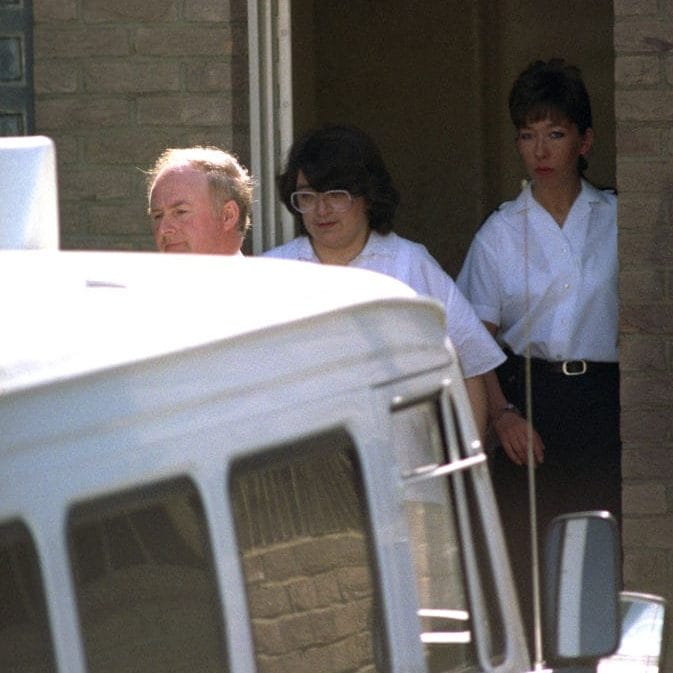
Behind closed doors, however, the family struggled with serious problems. Daisy experienced severe depression, particularly while Bill was frequently away at sea. She became intensely focused on keeping the house spotless and reportedly displayed increasingly erratic behavior.
In 1953, while pregnant with Rosemary, Daisy suffered a mental health crisis and was admitted to a psychiatric hospital, where she received electroconvulsive therapy (ECT), a treatment that was commonly used at the time for severe psychiatric conditions. Later accounts have speculated about whether this treatment affected Rosemary’s development, but no scientific evidence has established a direct connection.
Family history has also played a significant role in discussions about Rosemary West’s upbringing. According to biographer Jane Carter-Woodrow, Rosemary was allegedly sexually abused by her father and may also have been abused by her grandfather. Her father was also reported to have experienced serious psychiatric illness. These claims have frequently been cited by researchers examining her early life, although they do not explain or excuse her later crimes.
As a child, Rosemary reportedly displayed unusual behaviors, including repetitive head rocking and rhythmic movements that continued as she grew older. Friends and relatives later recalled that she often seemed withdrawn and disconnected from those around her.
At the age of 15, Rosemary met Fred West at a bus stop. Fred was 12 years older, divorced, and already had children from a previous relationship. Their relationship quickly became romantic, and Rosemary eventually helped care for his daughters.
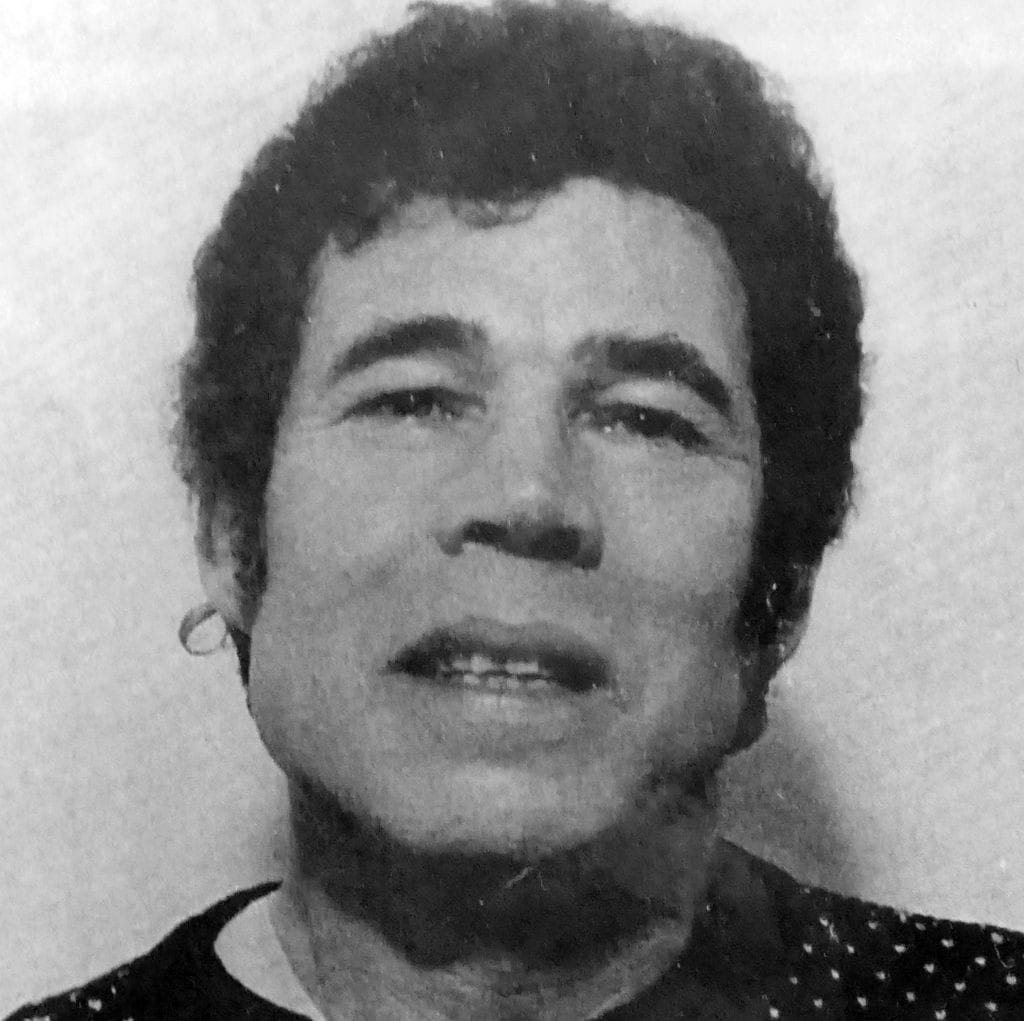
Fred West also had a deeply troubled history. He claimed to have suffered abuse during childhood and reportedly experienced several serious head injuries. Long before meeting Rosemary, he had already committed violent sexual offenses and developed a pattern of manipulation and criminal behavior.
After the couple married in the early 1970s, investigators believe their violent crimes escalated dramatically. Their first known murder occurred when an eight-year-old girl living in the household was killed while Fred was serving a prison sentence. Her body was later buried beneath the kitchen window of the family home.
Over the following years, the couple targeted young women, frequently luring victims to their house by offering childcare or nanny work. Many victims were sexually assaulted, tortured, murdered, and buried at or near their property on Cromwell Street in Gloucester.
The abuse extended to their own children. Investigations later revealed years of physical violence, sexual abuse, and neglect affecting all nine children in the household. Between 1972 and 1992, the children were admitted to hospital dozens of times for injuries, yet the pattern of abuse went undetected by authorities.
Their final known family victim was their daughter Heather West, who disappeared in 1987 after reportedly attempting to escape her parents’ control.
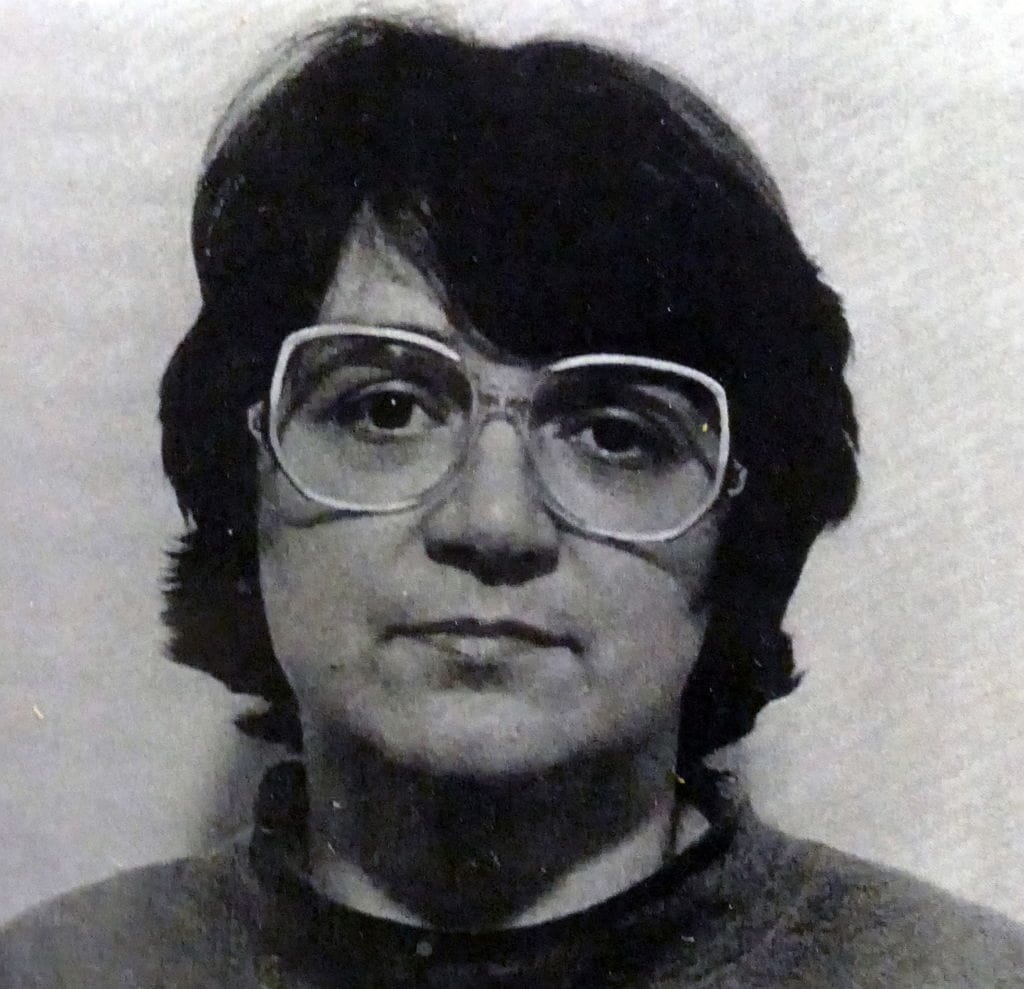
The investigation began after Heather confided in a friend before her disappearance, leading to an anonymous report to police. Although early allegations did not result in charges, detectives continued investigating. A search of the family’s home at 25 Cromwell Street uncovered Heather’s remains, and Fred West eventually confessed to multiple murders before implicating himself in many of the crimes.
Rose West was arrested on April 20, 1994. As investigators uncovered additional victims buried at the property, the scale of the crimes became clear. The couple soon became known worldwide as two of Britain’s most notorious serial killers, and their surviving minor children were taken into protective care.
Fred West never stood trial. On January 1, 1995, while awaiting court proceedings, he died by suicide in prison.
Rose West’s murder trial proceeded later that year. Throughout the proceedings, she denied responsibility and claimed she had been manipulated by Fred. Her defense argued that she had been under his influence from the time they met as a teenager.
Prosecutors presented extensive evidence contradicting that claim. Witnesses, including family members, survivors, and Fred West’s court-appointed appropriate adult, Janet Leach, testified that Rosemary had actively participated in the abuse and killings. Fred himself had reportedly admitted that Rose played a major role in the murders and that the couple had agreed he would take sole responsibility if they were caught.
After a seven-week trial, Rose West was found guilty of ten murders and sentenced to life imprisonment without the possibility of parole. She has continued to maintain her innocence through unsuccessful appeals.
Following the investigation, the house at 25 Cromwell Street—where many of the murders took place—was demolished in 1996, removing what had become one of Britain’s most infamous crime scenes.
Today, Rose West remains imprisoned at HM Prison New Hall in West Yorkshire. Reports indicate she spends her time participating in prison activities such as crafts, board games, and listening to music. She has also been transferred between prisons on several occasions because of security concerns.
Interest in the case has continued for decades. The 2025 Netflix documentary Fred and Rose West: A British Horror Story introduced the case to a new generation of viewers and renewed public attention on the surviving family members.
Anna Marie West, the couple’s eldest surviving child and one of the key witnesses during the trial, has remained largely out of public life. According to comments made by her husband in 2025, she remains estranged from her siblings, despite some living nearby, because the trauma associated with their childhood remains overwhelming.
He explained that every renewed wave of media attention reopens painful memories for the surviving children, who continue to live with the lasting emotional consequences of the crimes committed by their parents.