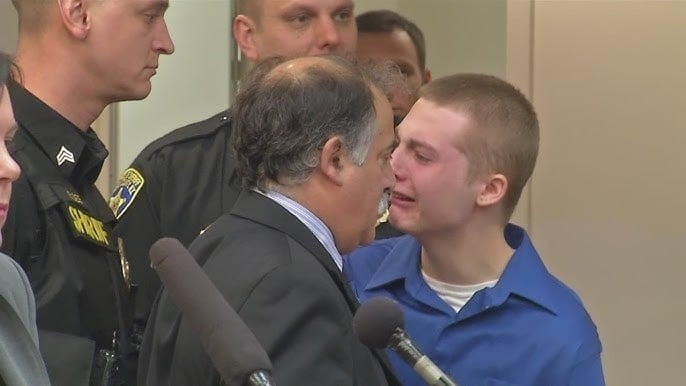
Outside the courthouse, the sentence stirred a wider conversation that reached far beyond one case. For some, the punishment felt necessary—an acknowledgment of harm done and a promise of protection for others. For some, it raised difficult questions about what justice asks of a society when the person being sentenced is still young. Between accountability and mercy, between public safety and the possibility of change, no easy answer appeared. The case became more than a headline. It became a reflection of a deeper question many communities continue to wrestle with: how to hold people responsible for grave actions without losing sight of the difficult truth that human beings, especially the young, are still capable of becoming more than their worst moment.
Teen Sentenced to 452 Years in Prison After He Ra…See moree….