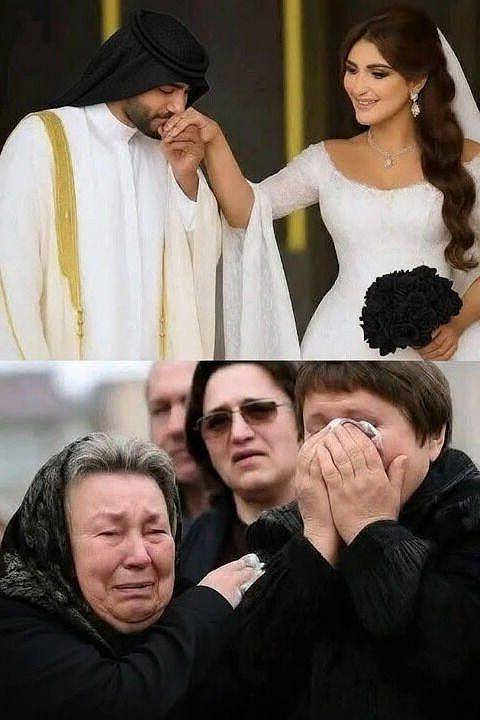
It was there that she met Jamal Al Nadak, an Emirati businessman involved in sectors including property and logistics. Their relationship quickly became part of the public conversation after they married in 2020.
What brought widespread attention was not the marriage itself, but what happened afterward.
Shortly after the wedding, Soudi shared videos online showing parts of her new life — luxury gifts, travel, designer purchases, and glimpses into a highly polished lifestyle in Dubai. The clips spread rapidly, attracting millions of views and turning a personal milestone into a global conversation almost overnight.
As her audience grew, so did the scrutiny.
Her content became closely associated with luxury living: high-end shopping, wellness treatments, private travel, and carefully curated moments of everyday life in Dubai. For some viewers, it felt aspirational — a look into a world they found glamorous or fascinating. For others, it raised questions about wealth, privilege, and the way relationships are presented online.
That tension remains central to how people react to her.
Supporters often view her as someone confidently living life on her own terms and being unapologetic about it. Critics sometimes see the content as excessive or overly focused on status. But much of the debate says as much about public attitudes toward money, marriage, and gender roles as it does about Soudi herself.
She has also openly addressed aspects of her marriage, including personal boundaries, expectations, and lifestyle agreements between her and her husband. Those comments often generate strong reactions online, particularly because they challenge or contrast with how many people imagine modern relationships should work.
At the same time, her visibility has come with pressure. Increased popularity online often means constant judgment from strangers, and she has spoken about both supportive responses and harsh criticism directed at her choices, background, and relationship.
Rather than stepping back entirely, she has continued building her online presence, collaborating with beauty and luxury brands while sharing selected parts of daily life with her audience.
What makes her story interesting to many people is not only the luxury itself, but what it represents in the age of social media: how quickly private life becomes public, how identity becomes shaped through content, and how wealth online can become both aspiration and controversy at the same time.
Whether people admire her lifestyle or question it, Soudi Al Nadak continues to remain part of broader conversations around success, relationships, visibility, and what modern luxury looks like when shared online with millions.