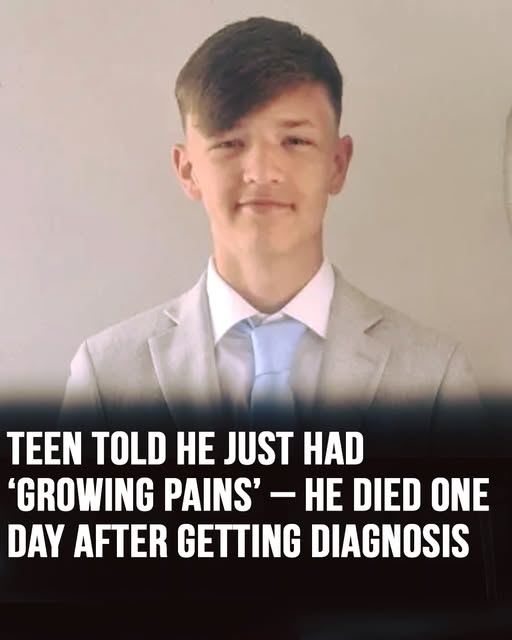
The dismissal of his symptoms as mere fatigue or viral discomfort proved to be a tragic miscalculation. In the weeks that followed, the boy who once radiated energy began to fade, his body fighting a battle no one could yet name. It was only when the situation turned dire—marked by the terrifying appearance of blood in his urine—that his father rushed him to the Royal Bolton Hospital, desperate for a truth that had been hidden in plain sight.
The diagnosis arrived like a thunderclap: stage four leukemia. The medical team’s findings revealed a nightmare scenario where the disease had already advanced to a critical state, causing internal hemorrhaging that defied intervention. For a family who had been told just days earlier that their son was simply growing up, the shift from hope to terminal reality was instantaneous and agonizing.
Within hours of his admission, the situation spiraled. Harley’s health deteriorated with a speed that left doctors and loved ones reeling. By the early hours of Sunday morning, November 9, the young athlete who had been full of potential was gone. His mother, still reeling from the initial shock of the diagnosis, was left to face a world without her son before she had even begun to process the gravity of his illness.
The tragedy of Harley’s passing has left a scar on the community of Leigh. Friends, teammates, and neighbors have rallied to support the family, launching fundraisers to help cover funeral costs and honor a life cut far too short. Tributes have poured in, painting a portrait of a boy who was not just an athlete, but a kind, energetic soul who brought light to everyone he encountered.
Medical experts note that leukemia in its early stages is a master of disguise, often mimicking the vague, non-specific symptoms of everyday childhood ailments. This reality makes early detection a daunting challenge, often leading to delayed intervention until the cancer has already gained a lethal foothold. While every case is unique, the aggressive nature of this particular form of blood cancer serves as a harrowing reminder of how quickly life can change.
As the community mourns, the focus remains on the dignity of Harley’s memory and the importance of supporting those left behind in the wake of such a sudden, incomprehensible loss. His story is a somber call to cherish every moment, as the boundary between a normal, healthy life and an unimaginable tragedy can be thinner than anyone dares to believe.